
Soft Multifocal Contact Lenses
Multifocal contact lenses correct vision and also significantly slow the rate of myopia (short-sightedness) progression.
This in turn reduces the chance of developing myopia-related eye diseases in the future, such as retinal detachment and glaucoma.
We are able to prescribe all types of available Myopia Control Contact Lenses, including Coopervision’s Misight, Gelflex’s Naturalvue, and Johnson & Johnson’s Abiliti.
These are an alternative myopia control option to OrthoK hard contact lenses. These contact lenses aim to replicate the same treatment method as OrthoK but without molding the shape of the cornea. Instead, these soft disposable contact lenses must be worn full-time during waking hours.
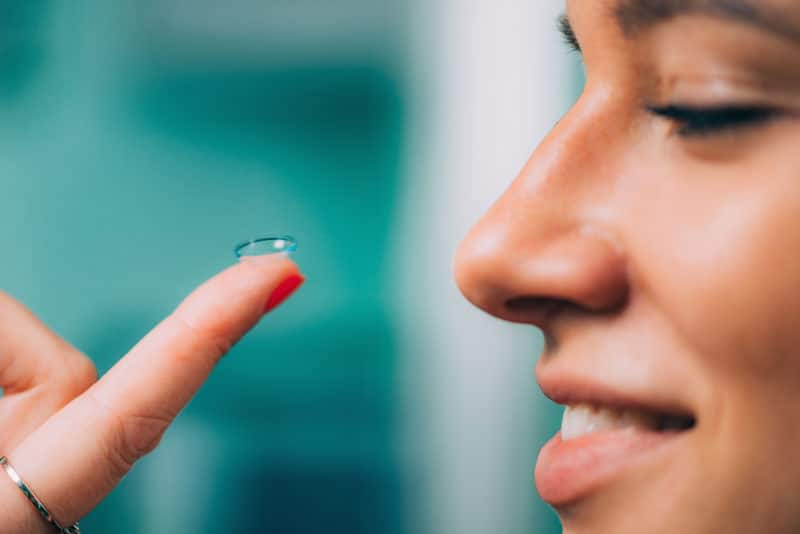
What are the possible side effects?
- Complications similar to normal contact lens wear are possible such as a corneal ulcer. This tends to happen to people who do not attend their aftercare visits and do not clean their lenses properly. This has not happened to any of our patients since we started in 2002.
- There is a possibility that you may experience allergic reactions to the contact lens material or cleaning solution. This may occur following several days or weeks of wear.
- The ongoing health and safety of your and/or your child’s eyes is our greatest concern, and we strive to ensure the highest level of clinical care. That is why we recommend an aftercare visit every 6 months.
- There may be possible effects on tear film quality, so please follow our strict guidelines of wearing.
- Before treatment commences, we will ask you to sign an informed consent form that outlines your ongoing responsibility for lens care and hygiene.
What are the benefits of Soft Multifocal Contact Lenses?
- Myopia control successful in 52% of patients relying solely on multifocal soft disposable contact lenses (success rate is higher when combining with environmental and behavioural changes or use of atropine eye drops).
- Myopia progresses aggressively around the age of 6 to 8 years old. Therefore, children around this age will require a special lens design and quarterly review consultations instead of half-yearly. Combing with the use of atropine eye drops can increase the success rate in myopia control.
- It is a non-surgical alternative for myopia management.
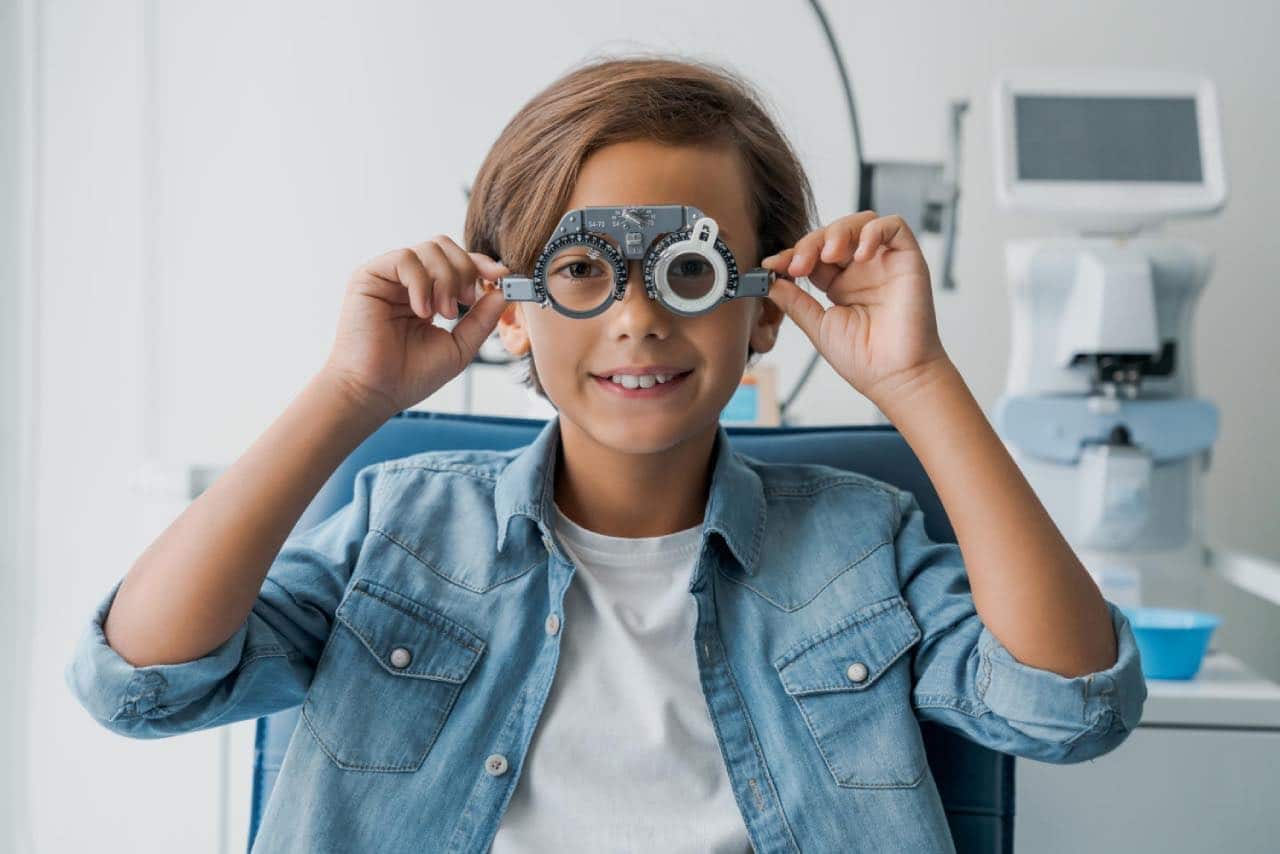
Who is suitable for?
- Age is not a key determinant of suitability.
- Our patients are instructed to be fully independent with all lens care procedures including insertion, removal and cleaning of lenses.
- In cases where the child is not yet ready to learn to manage the lenses themselves, we can teach parents to aid in the process until the child is more confident.
- Those who have short-sightedness up to -12.25 dioptres and long sightedness up to +6.00 dioptres and astigmatism less than -0.75 dioptres are suitable.
- If astigmatism is over 1 dioptres, must go for monthly lenses.
The Procedure
- Initial comprehensive eye examination: The optometrist will check your prescription and the health of your eyes to determine your suitability for soft contact lens myopia control.
- Topography appointment: The topography machine maps the curvature of your eye. Assuming that you are suitable, the optometrist will use these measurements to design the most suitable lens for your eyes.
- Trialling and teaching of the care and maintenance of the lenses, and you will be able to take trial lenses home. The optometrist will also conduct an AL (axial length) scan to measure the length of your eyeball and use this as a baseline measurement to help determine if your myopia is still progressing and the rate of progression.1,2 This appointment will be 1.5 hours.
- Review schedule*:
Reviews will be conducted as indicated by the optometrist.
Guidelines for Wearing Multifocal Contact Lenses
Step by Step Guide
- Wear the contact lenses 5-6 days a week.
- The contact lenses need to be worn 8-12 hours a day and removed as soon as all near tasks are completed.
- Apply eye drops 2 to 3 times a day to maintain the health of the cornea and eye comfort throughout the day. I.e.:
- Apply eye drops 1-2 hours after waking up and before contact lens insertion.
- Apply eye drops afterschool
- Apply eye drops after contact lens removal
- Don’t insert straight away after waking up.
- Remove contact lenses at least 1 to 2 hours before sleeping.
Example Timetable for Contact Lens Wear
| Time | Activity |
| 7am | Wake up Brush teeth Eat breakfast Change |
| 8.30am | Apply eye drops in both eyes Insert contact lenses in both eyes |
| 9am to 3pm | School hours |
| 3:30pm | Arrive home from school Apply eye drops in both eyes |
| 5pm | Homework/other near tasks |
| 6pm | Dinner |
| 7pm | Homework/other near tasks |
| 8pm | Remove contact lenses in both eyes Apply eye drops in both eyes Shower |
| 9pm | Bedtime |
Grace & Vision Optometry accepts all major health funds
Use your optical health funds benefits on a new pair of prescription glasses or sunglasses.

















... and many more. Feel free to contact us if you don't see your health fund.