
Repeated Low-Level Red Light (RLRL) Therapy for Myopia Control
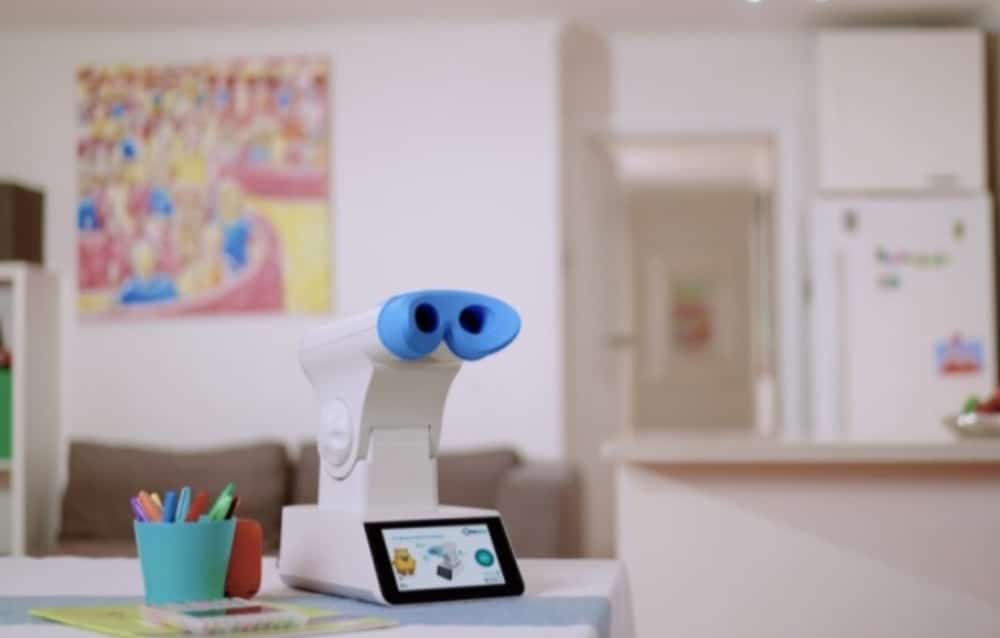
The Red-light Myopia Management Device is a home-use medical device that uses patented repeated low-level red-light therapy to deliver visible red light to the back of the eye. It is indicated for slowing the progression of myopia in myopic children aged 3 to 16 years old. The device can achieve about 90% efficacy when the compliance rate is more than 75%, no significant side effects, no risk of infections or allergy and possibility of axial length shortening.
Contact us to learn more about RLRL Therapy.
How Does it Work?
This myopia management device uses a low-level laser to deliver visible red light at 650nm wavelength to the back of the eye, where it can then help slow myopia progression by slowing the elongation of the eye. The theory is that it increases choroidal blood flow and choroidal thickness, which may address the sclera hypoxia (reduced oxygen supply to sclera) implicated in myopia progression.
Who Can Benefit?
Those with high risk factors of myopia progression:
- Parental history of myopia
- Earlier age of onset
- Young age (under 6 years old)
- High myopia (>-6D)
- Fast progression rate (³-0.75D/year)
- Long hours of near work
- Low levels of outdoor activity
- Children who are not responding to current myopia treatment or cannot use current myopia treatment
- Parents who want to explore combination therapy and make sure the child get the maximum efficacy
Who Can Use RLRL Therapy?
Children from 3-16 years old with any level of myopia.
Procedure
- Initial eye examination
The optometrist will check the health and prescription of your eyes to check the suitability. - Muscle control test + AL scan appointment
Detailed eye teaming analysis and baseline measurement of eyeball length is also measured at this appointment for future comparison. - Lifestyle education + cycloplegic refraction appointment
One on one education on reasons of myopia control, healthy vision tips and everyone’s roles in the myopia control process to achieve the most effective outcome. The optometrist will also use Cyclopentolate eye drops to measure the most accurate prescription. - Demo, tutorial session + OCT scan appointment
Prior to commencing treatments at home, we will need an in-office trial of red-light machine to assess the after-image duration as well as baseline OCT scans to rule out any retinal conditions. - Order device
Our optometrist will organize the order of the device from the supplier and you will receive an email and guidance from the supplier for payment and ordering. - At Home
- 3 mins per session, twice a day with 4 hours interval (before school and after school is recommended), 5 days a week (any 5 days).
- The instrument will automatically lock out for 4 hours after each session or if has been used more than 10 times per week for safety reasons. Once the session starts, the light will stay on for 3 minutes, you won’t be able to pause the session.
- Follow-up visits are required at 1 month, 3 months, 6 months, then every 6 months thereafter. The optometrist will request for OCT and/or AL scans at these visits to monitor efficacy and retinal health.
Things To Remember:
- Spectacles must still be worn during the day to achieve the best corrected vision.
- Contraindicated in strabismus, binocular vision abnormalities, ocular or systemic abnormalities, paediatric retinal diseases, dilated pupil (mydriasis) or receiving drugs that can cause dilated pupil (e.g. atropine).
- Cannot be used in conjunction with atropine. Patients need to stop using atropine for at least 2 weeks (dependent on atropine concentration) prior to starting RLRL therapy.
- RLRL can be used in conjunction with other treatments such as orthokeratology lenses, soft contact lenses and myopia control glasses. Remove glasses/contact lenses during the treatment session.
- Taper treatment gradually or consider starting on alternative treatments if myopia is progressing.
- Common side effect: afterimage* – disappearing within a few minutes, glare, flash blindness.
*If the afterimage lasts longer than 5 minutes, the treatment might not be suitable.
Optical Coherence Tomography (OCT Scan)
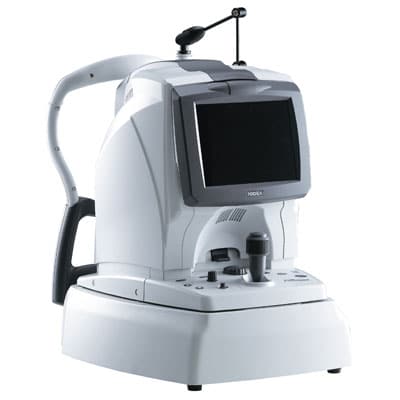
OCT scan is a non-invasive imaging method that scans the layers beneath the retina as well as the density of retinal nerve fibre layer. This scan is performed prior to treatment to make sure there are no pediatric retinal diseases such as retinopathy of prematurity, retinal detachment, juvenile macular degeneration, retinoblastoma, pediatric uveitis. This treatment is contra-indicated if your child has any of the retinal diseases listed above.
Subsequently, this scan will be performed at each review to ensure retinal health, although the incidence of OCT-imaged structural changes and acuity changes are rare, the reported cases all showed full recovery to these changes 3-4 months after cessation of RLRL treatment.
Axial Length Measurement (AL Scan)
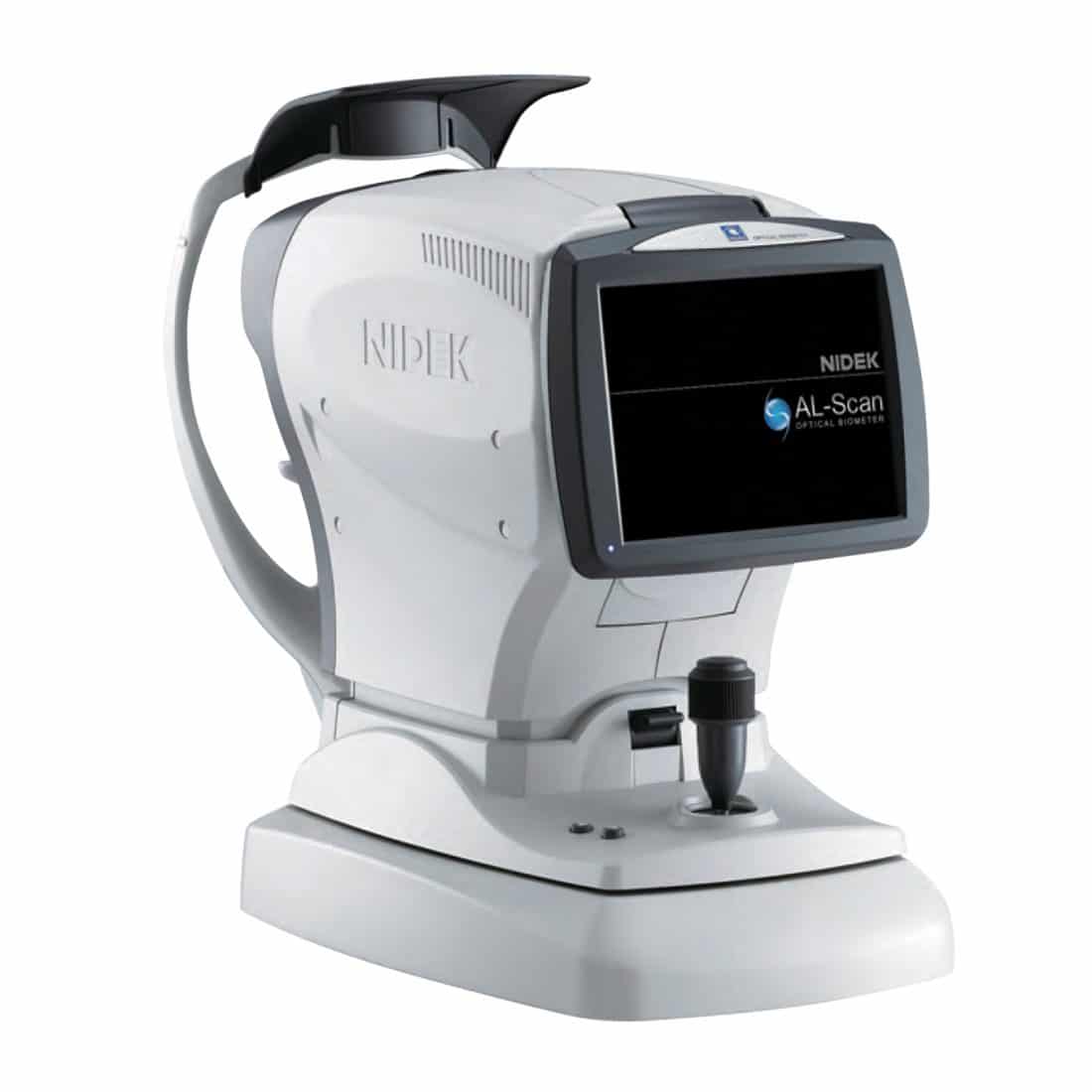
As myopia increases, the eyeball elongates. The axial length (AL) scan measures the length of the eyeball and is a valuable tool to measure and manage the amount of myopia progression. Compared to the child’s prescription which is a subjective measurement of myopia and can fluctuate depending on the child’s focusing system and how reliably they respond, axial length is an accurate, objective measurement of myopia progression. This is why we use the prescription in conjunction with the axial length scan to determine how aggressive the myopia progression is and can adjust the atropine treatment accordingly.
Similarly, the axial length scan helps us evaluate the success of the treatment. If axial length becomes stable as the child becomes older, we can consider reducing the treatment.
Normal review schedule for AL scan
- Young age and/or fast myopia progression: every 3-4 months for 1-2 years
- Young age and stable myopia: 6 monthly
- All myopia control patients: once a year
Frequently Asked Questions
How did this technology come about/how was it discovered?
How long do I need to do the treatment for?
Is there any rebound effect when I stop?
Do I need to taper off the treatment? What is the process of tapering?
Yes. It is recommended to follow a gradual tapering protocol when discontinuing therapy. Common suggestions include decreasing the use of RLRL from 3 minutes twice daily to 3 minutes once daily, or decrease the use from 5 days per week to 3 days per week.
How do I know if my child is doing it properly?
At the demonstration session, we will show you how the device needs to be used. We recommend for parents to supervise the first few sessions to ensure correct usage.
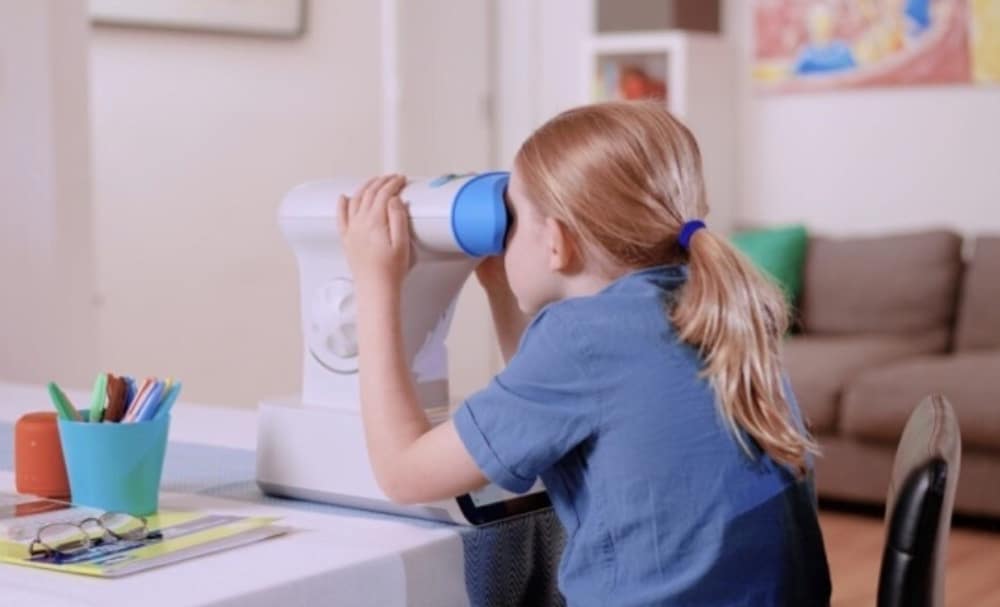
- Make sure the child has their eyes open and is blinking normally while looking into the device at the red light.
- Keep approximately one fist’s distance between the child’s face and the blue mask. Ensure the light beams fully cover the pupils for effective treatment.
How will the optometrist monitor if my child has been doing the therapy consistently?
What is the cost of the treatment?
Device $400+GST
Monthly subscription fee is $120+GST.
Will I get the device cost back when I finish?
Start Your Myopia Control Journey
Our Glasses Quality Guarantee
Is there anything I should think about when taking my prescription somewhere else to get glasses made? Absolutely! When we prescribe glasses, we take into account various factors:
Lens Optics & Frame Selection
- We check the fitting of the frame around your nose and ears
- We look for the most suitable frame to give you the optimum optical effect
- All our lenses are specially selected by optometrists to give the best comfort and clarity. Our lens manufacturer has been creating optical lenses since 1849.
- The lenses are made using cutting-edge technology to provide sharp vision, comfort and effortless adaptation.
- Lenses are made from superior material, just like the lenses of a professional photographer’s camera.
- The lenses also come with superior lens coatings.
Other stores may use generic brand lenses to reduce the cost, whereas we choose experienced manufacturers to provide you with the best optical care. Our standard level lenses may well be the premium products other places offer. Even though the number in the prescription is the same, the design and optical quality of the lenses will still be different.
Extensive quality control measures
- Detailed and optimised measurement of the pupil distances and optical height measurements for your specific needs.
- Two-person check of the order before sending it out to the lab
- When the glasses come back, it has to pass our two quality control stations before it reaches you.
- Accurate prescription and optical measurements
- Lenses are scratch-free
- Coating quality
- Frame quality
- Nosepads and temples pre-adjusted for optimal fit
- Lens screws lacquered tight
- Because all of the above can make a huge difference in visual clarity and comfort, if there are any faults found during quality control, we will reject the job and request a remake.
It is not guaranteed other stores will take these steps to look after each glasses job.
Lifetime Adjustments
When it comes to our glasses, we can be proud to say that we have extremely low remake rates and easy adaptation.
Grace & Vision Optometry accepts all major health funds
Use your optical health funds benefits on a new pair of prescription glasses or sunglasses.








... and many more. Feel free to contact us if you don't see your health fund.